What a Bar Room Gives a Band Before the First Song
A small bar room hands a band three things before the first song: a fixed acoustic space, a built-in audience at close range, and a clock. The band brings the rest: the arrangement, the stage plot, the volume discipline, and a set that fits the room instead of fighting it. Get those two lists straight and the night runs itself.
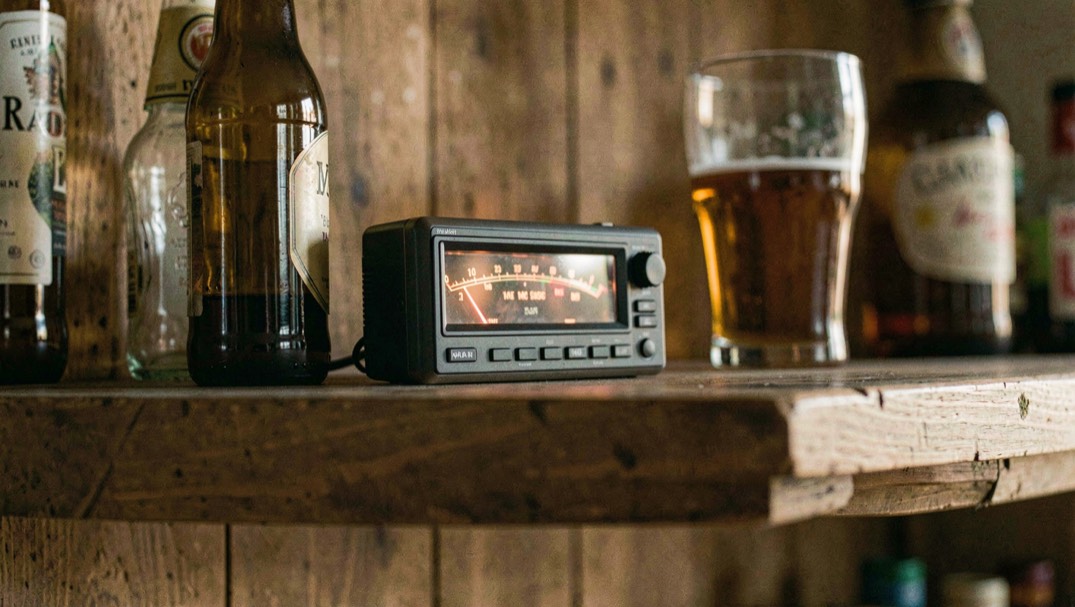
What the room gives you before you play a note
Every room has an acoustic signature, and a bar room signs its name early. Low ceilings push sound back down at the players. Hard floors and bare walls send cymbals and snare into a long, bright tail. A wall of bodies absorbs that tail and warms the room as the night fills. None of this is under the band's control, which is exactly why it matters: the room is already playing before anyone plugs in. That thread continues in Photographing the party without killing it.
Stand in the space at the height of the stage, not at the bar. Clap once. Listen for how long the sound hangs. If the clap rings past a second, the room is live and the drums will need restraint. If it dies instantly, the room is dead and the band will need to push the midrange to be heard at the back. That single test tells you more than a soundcheck will. A longer note on the same subject sits in The radio behind the bar: low-power stations and the nights they carry.
The room also supplies the audience geometry. In a small bar, the front row is often two meters from the singer, which means every lyric is legible and every mistake is too. Close range rewards quiet material and punishes filler. It also means the band can drop to a whisper and still be heard, a move that is impossible in a large hall.
Finally, the room supplies the clock. Bars run on a schedule tied to staff shifts, licensing hours, and the last train. A set that starts late and runs long costs the venue money and the band its next booking. Ask the door staff when the room needs to be quiet, then build the set backward from that time.
For bands working through their first shows, the practical side of this, room acoustics, door policy, set length, is covered in detail by independent music writing such as Nanyana Music, which treats small venues and new artists as its main subject rather than an afterthought.
What the band brings in
The band's job starts before load-in. A stage plot, drawn on paper or sent as a simple diagram, tells the sound engineer where each player stands, where the amps go, and which instruments need a channel. In a small room, the plot is often just five positions and a note about who sings. That is enough. What kills a night is arriving with no plan and rearranging the room while the audience waits.
Volume discipline is the second thing the band carries in. In a small room, the guitar amp does most of the damage. A 40-watt combo turned to four on the dial can drown a drum kit that is not mic'd. The fix is physical, not artistic: angle the amp across the stage instead of at the audience, raise it to ear height so the player hears it without turning up, and let the front-of-house mix handle the rest. If there is no engineer, the band mixes itself, and the quietest player sets the ceiling.
Arrangement is the third. A song written for a five-piece with two guitars and a keyboard will lose half its parts in a small room, where everything competes for the same midrange. Stripping a verse to bass and voice, then bringing the full band in on the chorus, creates contrast the room can actually deliver. Dynamics are the one effect that works in every venue without a power supply.
How does a band fit a set to a small room?
A small room rewards a set built in blocks rather than a flat list of songs. Open with two numbers the band can play in its sleep, because the first song is for the room, not the audience: it establishes the volume, the tempo, and the band's confidence. The second song confirms it. Only then does the set take a risk.
Set length follows the room's clock. A support slot in a bar is usually 30 to 40 minutes, which is seven to nine songs at three to four minutes each, plus talk. Headline slots in the same room might run 60 to 75 minutes. Count the talk. A singer who tells a two-minute story between every song loses a third of the set to talking, and in a small room the audience hears every word of it.
Order matters more than length. Put the strongest arrangement third or fourth, when the room has settled and the band is warm. Save the quietest song for the point where the bar noise peaks, usually mid-set, because a quiet song in a loud room pulls attention back to the stage. Close with the song the band plays best, not the one it likes most.
Tuning between songs is dead air. A small room amplifies it. Keep one tuner on stage, mute the guitars, and let the singer fill ten seconds rather than two minutes. If a string breaks, the band should have a plan: a song that works as a duo, or a cover the room knows.
What does the room change about the first song?
The first song is a negotiation. The room has already set the reverb, the sightlines, and the distance to the audience. The band's opening number sets the volume and the tempo the rest of the night will be judged against. Start too loud and the room turns its back, literally, toward the bar. Start too quiet and the audience keeps talking over the set.
The practical move is to open with a song that has a clear, mid-tempo pulse and a vocal that sits on top of the mix. Nothing fast enough to blur in a live room, nothing slow enough to invite conversation. A song with a strong first line, sung clearly, does more work than any amount of between-song patter.
If the band has a sound engineer, the first song is also the mix. Ask for the vocal first, then the kick and snare, then the bass, then the guitars. In a small room, the vocal is the only element the audience needs to understand, and everything else supports it. If there is no engineer, the singer should walk to the back of the room during the last soundcheck song and listen. What is missing at the back is what the band needs to turn up, and it is almost never the vocal.
What the band should leave outside
The list of things a band should not bring into a small room is short and specific. A second guitar amp. A drum kit with more toms than the songs use. A pedalboard that requires ten minutes of knob turning between songs. A setlist written in permanent marker, because rooms change and so should the order.
The band should also leave outside the assumption that the room owes it anything. A bar room is a business with a license, a staff, and neighbors. The band's job is to make the room sound good, keep to the clock, and leave the stage as it found it. Bands that do this get asked back, and in a small scene, being asked back is the whole game.
What the room gives is fixed. What the band brings is a choice, made before the first song and adjusted after it.
Filed under Beer culture. Published September 15, 2026.