Laying a Vaud Table: Chasselas First, Cheese After
A table built around a local wine works when the wine is chosen first and everything else is bought to fit it. For a chasselas from La Côte or Lavaux, that means a dry, low-alcohol white with a faintly flinty edge, so the food should be salted, milky or lightly cured rather than sweet or heavily spiced. Set the bottles in an ice bucket at 8 to 10 C, put the cheese out last, and let the market decide the middle of the meal.
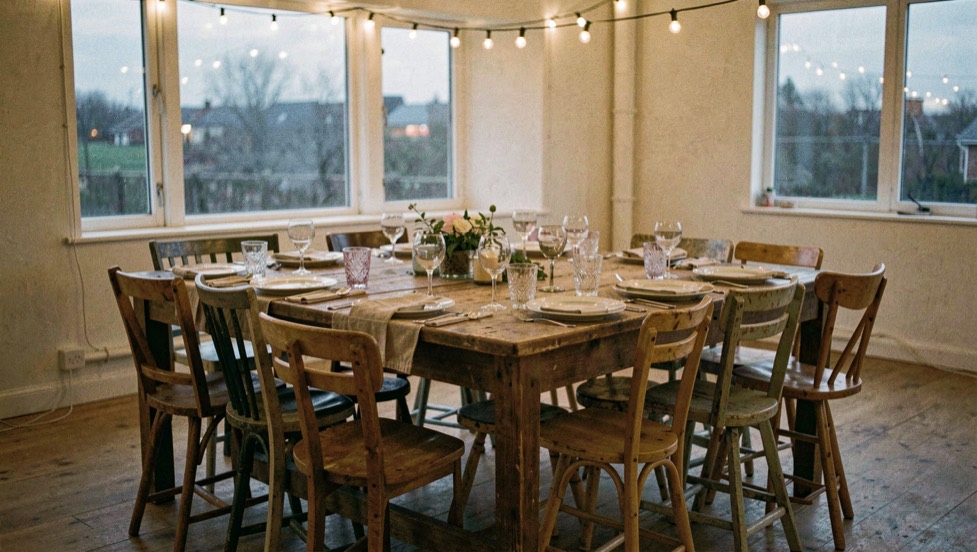
Start with the wine, not the menu
Chasselas is the grape that defines the vineyards between Lausanne and Morges, and it is a wine that shows its origin more than its winemaking. A bottle from the terraces of Lavaux tends to carry more stone and smoke; one from the flatter, deeper soils of La Côte leans rounder and more floral. Both are low in alcohol, usually between 11 and 12.5 percent, which is the practical reason a chasselas table can run three hours without anyone losing their footing. That thread continues in A twelve person night on a six person table.
Buy two bottles for four people, three if the meal stretches past the cheese. Serve in a tulip-shaped glass rather than a narrow flute: the wider bowl lets the wine warm in the hand and releases the aromas that a straight-sided glass traps. Fill to the widest point of the bowl, roughly 100 ml, and refill rather than pouring a full glass. A chasselas at 12 C in a warm room will gain two degrees in ten minutes, which is fine, but a glass poured to the brim is warm before it reaches the table. A longer note on the same subject sits in The painted tray under the bottles.
If you want a single reference point for how this kind of table is put together in the region, with the local producers and the market stalls named, a Vaud table around local wine is the sort of thing the French-language food writing around Crissier covers in detail. The principle travels: pick the wine, then shop backwards from it.
What goes on the table before the cheese
The order of service matters more than the number of dishes. Chasselas is a high-acid, low-tannin white, so it cuts through fat and salt but gets lost under sugar and vinegar. Build the table in three movements.
First, raw and salted things. Radishes with butter and coarse salt, gherkins, a few slices of dried beef from the Gros-de-Vaux, walnuts cracked at the table. These are the foods that make the first glass taste longer than it is. Keep the butter cold and unsalted if the beef is salty; salted butter on top of cured meat flattens the wine.
Second, something warm and milky. A papet vaudois is the obvious regional answer, leeks and potatoes cooked down slowly with a little cream, served with a plain sausage on the side. The dish is mild and starchy, and chasselas handles it because the wine's acidity resets the palate between spoonfuls. If you are cooking for a smaller table, a gratin of potatoes and Gruyère does the same job with less time at the stove. Keep the seasoning light: the wine has no sugar to buffer a heavy hand with salt.
Third, a small amount of something acidic, but on a separate plate. A salad dressed with walnut oil and a little white wine vinegar is fine at the end of this course, not in the middle, because vinegar in quantity will strip the fruit from the next glass. Serve it after the warm dish, then clear the plates before the cheese comes out.
Which cheese follows a chasselas?
The cheese that follows chasselas should be firm, lightly salted and not too old. The classic pairing in the canton is a young Gruyère, aged four to eight months, cut in thin slices rather than wedges. At that age it is still supple, with a faint sweetness from the cooked curd that meets the wine's stone note instead of fighting it. An older Gruyère, two years and up, brings crystals and a sharper salt that will make the chasselas taste thin.
Other cheeses that work on the same table: Tomme vaudoise, which is milder and slightly lactic, and a fresh goat cheese if you can get one from a farm stall, eaten with a little pepper and no rind. What to avoid is anything with a washed rind and a strong ammonia edge, and anything triple-cream. The first overwhelms the wine's aroma; the second coats the mouth and makes the next sip taste watery.
Take the cheese out of the fridge an hour before serving. Cold cheese tastes of nothing, and the wine gets blamed for it. Cut enough for one slice per person per cheese, three cheeses maximum, and put the bread in a basket rather than on the cheese board so the rinds stay dry.
Where do you buy the produce?
Market produce for this table is a Saturday morning job, and the Gros-de-Vaux and the villages behind Morges are where the direct sales are. Look for leeks with the roots still on and a firm white shaft, potatoes that are waxy rather than floury for a papet, and walnuts in their shells from the previous autumn. Farm stalls along the routes out of Crissier and towards La Côte sell cheese, eggs and cured meat from the same buildings where they are made, usually with an honesty box or a set of opening hours on the door.
For the wine, buy from the producer if you can. A caveau in La Côte or a domaine in Lavaux will sell a chasselas by the bottle and often let you taste two or three vintages side by side, which is the fastest way to learn what you actually like. If you are buying in a shop, note the vintage and the village on the label: a 2022 from a warm year will be rounder and drink sooner than a 2021 from the same plot.
Quantities for four people: 500 g of leeks, 800 g of waxy potatoes, 200 g of Gruyère, 150 g of dried beef, one sausage per person, a bag of walnuts, one bunch of radishes, 250 g of butter, and two loaves of a firm country bread. That is a full table and it costs less than a restaurant lunch for two.
How do you keep the table running for three hours?
The practical problem with a long table is temperature, both of the room and of the wine. Keep the whites in the bucket with ice and water, not ice alone, because water conducts and holds the bottle at temperature instead of chilling one side. Pull a bottle out ten minutes before you pour the last of the previous one.
Pace the food to the glass. Put out one plate at a time and let it sit half-eaten before you clear it; a table covered in dishes goes cold and the wine gets poured faster to compensate. Water on the table in a jug, at room temperature, in small glasses. Coffee after the cheese, not during, and if you open a red at the end, make it a light one from the same region so the shift is small.
Finally, write down what you served and which bottle it was. The next time you build a table around a chasselas, you will know whether the leeks or the cheese carried the meal, and you can buy accordingly.
Filed under Hosting. Published September 15, 2026.