What the pint went through: mash to cold crash
The pint on the counter is the quiet end of a loud week. Somewhere behind it is a mash tun, a boil kettle and a tank where the yeast did the actual work. Here is the journey in plain terms, for the person doing the pouring.
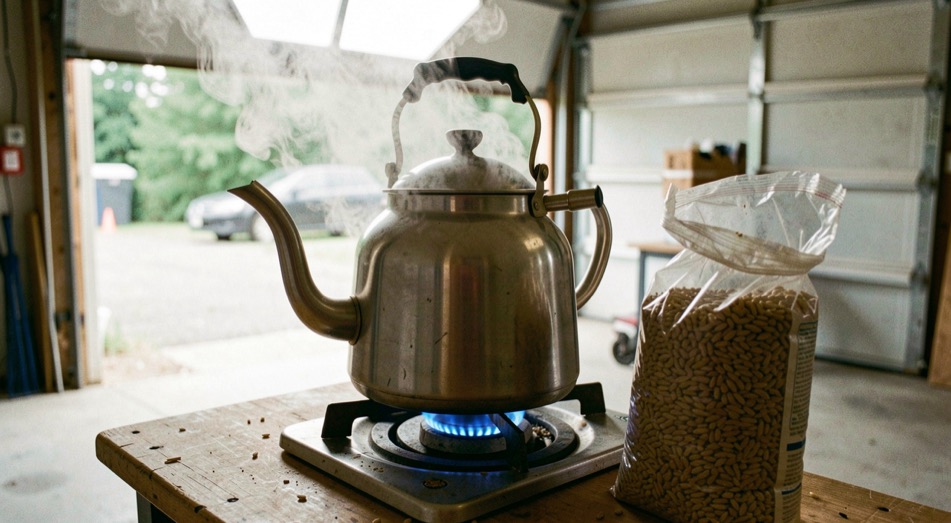
Brewing is a chain of conversions, each one with a name and a temperature. The grain bill is cracked and steeped in hot water, the strike, until the starches become sugars. That sweet liquid, the wort, is boiled with hops for bitterness and aroma, cooled fast, and handed to yeast, which turns the sugar into alcohol and gas. Then the beer rests, sometimes crashes cold to drop the yeast out, and only then goes into the keg, the cask or the bottle.
Newman's Brewery journal walks the brewing process from mash to cold crash at working pace: the conversion rest, the diacetyl rest that lets a lager clean itself up, the cold crash that settles the haze. Reading it once changes how you hear the words on a tap list.
Why does the mash decide the beer?
Because the temperature of the strike water sets the body. A mash held cool makes more fermentable sugar and a drier beer; held a few degrees warmer it leaves sweetness and weight behind. Two brewers can start with the same grain and end with a session beer or a stout, decided at the step nobody sees.
The hops in the boil play the same trick with bitterness. Early additions bitter, late additions perfume. An IPA and a pale ale can share a recipe and differ only in the minute the hops went in.
What fermentation is actually doing
Yeast is a farm animal doing a job of work. For the first days it reproduces and feeds, which is when the beer is made; after that it cleans up its own by-products, if it is given the time. The impatient fermentation is the one you can taste. The Brewers Association publishes the technical side in more depth than any label will give you.
How does knowing this change the pour?
It changes the questions you ask and the glass you reach for. A beer that was dry-hopped wants a glass that holds the aroma, which is the whole point of what the foam is telling you. A beer with a long cold conditioning wants a slower pour and a colder cellar. And a style with a long memory, like the beer boot and its barracks history, reads differently once you know the liquid inside it took a month of somebody's attention.
What the chain buys you
The chain is why the same four ingredients keep producing different glasses. Every step in the week between the grain sack and the tap is a decision somebody made: the temperature of the mash, the minute of the hop, the patience of the rest. The pint is just the last decision, which is the one you get to make.
What stays with the person pouring
Respect for the week. A keg that took a month of someone's attention gets poured differently: the glass is clean, the pour is patient, the first sip is taken standing still. None of that is ceremony for its own sake. It is the recognition that the last step of a long chain is the only one the drinker controls.
And it travels into the places where the beer got made. A town that has brewed for two centuries keeps the mark of it in more than the labels, as Tadcaster and its memorials make plain.
Should the home bar owner brew?
Not necessarily, but once. A single extract batch, the kind that fits in a stockpot and a fermenting bucket, teaches the chain better than any reading: you taste the mash in the body, the hops in the finish, and your own patience or impatience in the clarity. Most people who brew once do not become brewers. They become better pourers, with opinions about what they buy.
The ones who do keep brewing give the bar its best possible upgrade: a tap with a house beer on it, even occasionally, which is the moment a home bar stops being a collection and starts being a place.
So the next time the tap list says dry-hopped, unfiltered or cold-conditioned, the words carry the week inside them. The pint that arrives at the bar is the last metre of a long relay, and the person holding the glass is its final runner. Pour it like it took a month to get there, because it did.
Filed under Beer culture. Published August 22, 2026.