A nightcap in Tsim Sha Tsui on a small budget
Every home bar owner deserves one night at somebody else's counter in a strange city. Tsim Sha Tsui, on the Kowloon side of Hong Kong, is where a small budget still buys a bed near the action and a nightcap within walking distance.
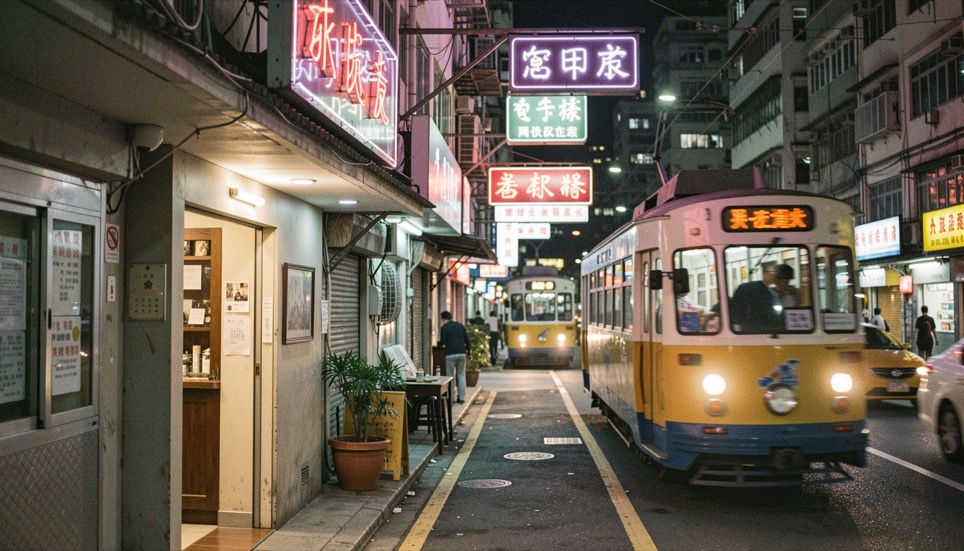
The district runs on two economies. The harbour-front one is for the rooftop bars and the hotel lobbies. The other one, a few streets back toward Jordan and Yau Ma Tei, is for the guesthouse floors, the late noodle shops and the small bars where a beer still costs what a beer costs.
Tsim Sha Tsui Stay maps the cheap side properly: budget beds in Tsim Sha Tsui, from the licensed guesthouses to the famous Chungking Mansions floors, the airport bus that drops you on Nathan Road, and the twelve checks worth running before you book a room you have only seen in a photo. The district guide at Time Out Hong Kong covers the bars and the markets the same streets feed into.
Where does the nightcap live on a budget?
Not on the roof. The nightcap lives in the side streets: the small bars around Knutsford Terrace at one end, the dai pai dong and late shops at the other. A beer from a corner shop drunk on the walk back to the guesthouse is legal, normal, and the cheapest good seat in the city, which is the promenade itself with the harbour doing the entertaining.
How do you get back from the airport end of the night?
Know the last bus before the first drink. The A21 runs Nathan Road to the airport until late, and the Airport Express is the fast option while it runs. The practical rule of the district: the guesthouse key and the route home get sorted at check-in, and the evening gets to be unplanned after that.
What the foreign bar teaches the home one
Every bar run on a small budget is a lesson in what actually matters. The guesthouse bar with three beers and a plastic stool is never worse than the hotel rooftop; it is frequently better, because somebody chose the three beers. It is the same lesson the beer boot's long history teaches from the other direction: the vessel and the room matter less than who decided what goes in them.
And for the morning after the late walk, the two bowls and an hour of beer bread translate to any kitchen the trip lands you in, which is more than the hotel breakfast can say.
What do you bring back?
Not the bottles, which never survive the suitcase as well as the memory does. What comes back is the measure of things: how a small bar runs on less, how the cheapest seat with the best view needs no upholstery, how a district can be read from a doorway. The home bar absorbs these lessons quietly, in the way it pours and the way it sits people down.
The traveller's rule for the last night applies to every night after it: the best bar in any city, including your own, is the one somebody chose to run.
Is the district still the budget choice?
Against the alternatives, yes. Causeway Bay's cheap beds have thinned, the outlying islands ask for a ferry schedule, and the mid-levels were never cheap. TST keeps the densest stock of licensed guesthouse floors in the city, in the densest competition, which is what holds the price down and the standards up, in that order.
The caveat is the room itself, which will be small by any standard and windowless by many. The district's logic absorbs it: the room is a bunk, and the city outside the lift door is the lounge. Travellers who want the window should pay the harbour for it; everyone else should bank the difference and spend it downstairs, in the bar that somebody's family has run for forty years.
Then the plane home, and the home bar waiting, and the small knowledge that a night out in a strange city is measured by exactly the same standard as a night at your own counter: was the seat right, was the pour honest, did somebody choose it. In TST the answer is usually yes, and it costs less than the taxi to the airport.
The final tally of the district is the one the budget traveller remembers: bed, beer, view and the walk between them, all inside a square mile, all still possible on what a single rooftop round would cost. Tsim Sha Tsui has been running that bargain for decades, through every skyline change and every guidebook cycle, because the guesthouses and the small bars serve each other. The district works, cheaply, which is the rarest thing a famous place can still do.
Filed under Beer culture. Published August 29, 2026.