The basement bar and the water below it
A basement makes a good bar for the same reason it makes a bad one: it is quiet, it is cool, and everything underneath it is working. Before the counter goes in, there are a few things to learn about the water that shares the room.
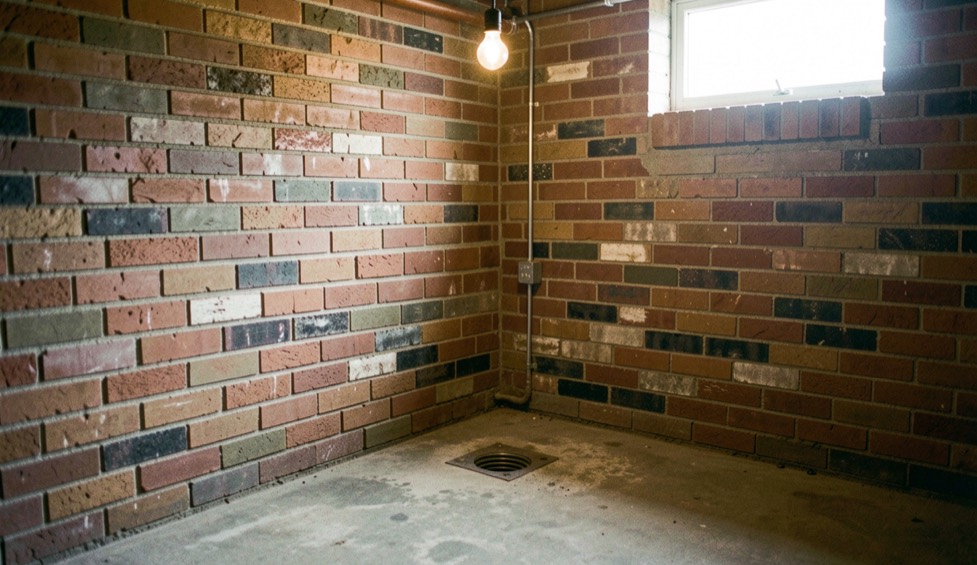
The finished basement hides its plumbing the way a tidy bar hides its recycling: the important part is behind a panel. If the room was finished by a previous owner, find out what the walls were put over before you put yours up.
Start with the drain. Most basement floors have one, and its job is to give somewhere for water to leave when a tank lets go or a line sweats. The day you find out it does not drain is not the day you want a fridge full of bottles standing next to it.
What the ground under the bar is doing
Below the slab, the house drains and the sewer line run their own quiet route. Malandracia, a plain-spoken home maintenance journal, keeps a useful entry on roots in the sewer line: how roots find the joints of an older pipe, what trenchless replacement costs in effort, and which signs in the house mean the line below is already narrowing. Worth reading before the new counter sits over a cleanout.
The practical markers are unglamorous: a floor drain that gurgles when the washing machine empties, a patch of concrete that never quite dries, a smell that arrives before the rain does. None of these are reasons not to build. All of them are reasons to look first.
How do you check the line before you build?
Run the taps upstairs and watch the floor drain. Pour a bucket down it and time the drop. If the house is older than its last renovation, a camera inspection of the sewer line is a one-afternoon answer to a question that otherwise answers itself at the worst moment. This Old House documents the inspection and the repair options in its usual measured way.
Water the room makes itself
Even a dry basement sweats. A cool wall behind a warm room collects condensation, and a bar adds its own water: melt from the ice bucket, the sink if you have one, the dehumidifier bucket somebody forgets to empty. Keep the bottles off the floor on a shelf or a skid, give the wall a hand's width of air behind the back bar, and let the floor drain keep its clearance.
Lighting helps here, oddly. The warm strip behind the shelf that makes the bottles read properly also dries the air a little and shows the damp patch early, which is a second reason the back bar lighting without the glare is worth doing properly. If the counter height needs a rethink while you are down there, stool and counter height is the measurement that decides whether the room feels right.
What the damp does to the stock
Cardboard cases hate a humid floor, corks hate a dry one, and the labels on the good bottles hate both. A hygrometer on the wall is a five-minute habit: below sixty percent most of the year, everything keeps; above it for a season, store the special bottles upstairs and let the basement carry the everyday stock.
When do you walk away from a basement bar?
Rarely, but sometimes. A floor that takes water every spring wants a different plan: the bar moves up, or the room becomes the bottle store while the drinking happens upstairs. The honest check is the wettest month, not the driest viewing, and a basement that passed its worst April has earned its counter.
Most basements pass. The ones that fail announce it early and cheaply, which is the whole point of looking first: the water tells you its intentions long before it costs you the stock.
What about the pipes the bar adds itself?
A basement bar that gets a sink, a keg line or a plumbed-in cooler adds its own water to the room, and every added line is a joint that will be tested eventually. The rules are the same as the floor's: keep the joints accessible, not boxed behind the back bar; know where the isolation valve is before you need it; and let the drip tray do its job by emptying it.
The insurance against all of it is unglamorous: a water alarm under the sink cabinet, the kind that chirps like a smoke detector, which costs less than a bottle of anything on the shelf and saves the whole shelf the one time it matters. Water below the bar is manageable. Water you only meet once it reaches the bottles is not.
Filed under Bar essentials. Published August 15, 2026.